Flashbulb memories. Psychologists use the term for moments burned into your brain with near-perfect clarity… where you were, what you were doing, the way the air felt. Some flashbulb memories are joyful. Others are jarring.
For those of us from New Orleans or the Gulf Coast, we all have one from August 29, 2005.
Mine started four years before HEROfarm was founded, on the second floor of my fraternity house in Hattiesburg, Mississippi. I was 21, a senior in college, and it had already been a long, surreal day. The power had gone out around 11 a.m. There was no real news coming out of New Orleans, just bits of hearsay and gut-wrenching uncertainty. No A/C. No phone calls. Only the relatively new miracle of text messaging. So, I did what I could to keep my mind from spiraling: I wrote.
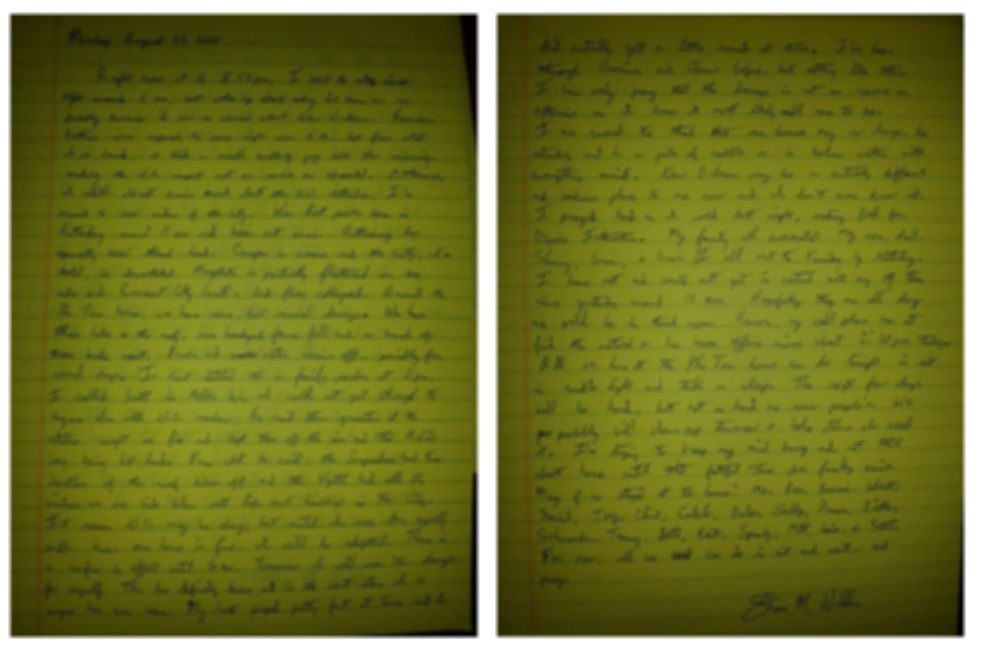
By candlelight, sweating from the heavy August heat, I poured my thoughts into a yellow legal pad. A letter to the future me. A time capsule of fear, hope, and the aching need to know what had happened to my home.
“I am scared to think that our house may no longer be standing and is in a pile of rubble or is below water with everything ruined. New Orleans may be an entirely different and unknown place to me now, and I don’t even know it.”
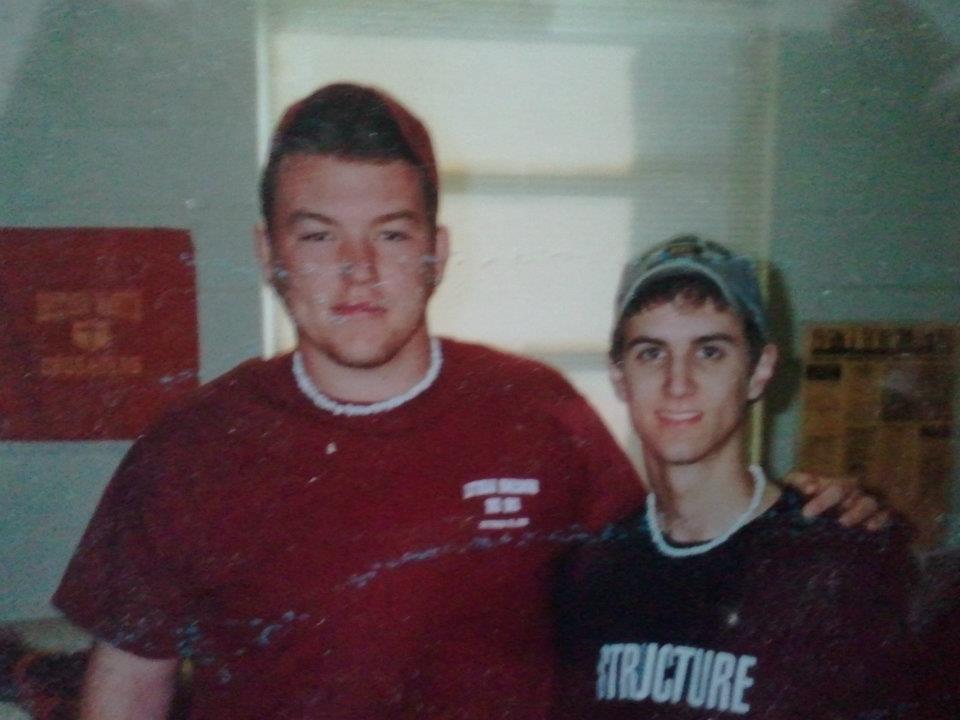
Reading those words today, two decades later, I can still feel the weight of the unknown. Not just about my house, but about who we would be on the other side of it all.
What We Lost. And What We Gained.
I was lucky. My family was safe. Our house got about six inches of water, but was salvageable. Still, something shifted in me, and in everyone I knew. What we lost went far beyond material things.
We lost Old New Orleans.
Gone were the restaurants we loved, the neighborhoods we grew up in, the rhythm of life we’d always known. So many people left and never came back. For those of us who stayed or returned, we often talk about life as “Before Katrina” and “After Katrina.” It really did and still does divide time for those of us who lived through it.
But there was also something else. Something unexpected. Something you might even say is beautiful.
I saw it in the way people showed up for each other. In the darkness, we became light for one another. Strangers offering rides. Neighbors feeding neighbors. College kids giving up weekends to gut houses. There was magic in that pain. Not the Disney kind. The real kind. The kind that scars and binds.
Things were harder, but together we pushed through and found the light. That’s the part people don’t always see. The quiet strength. The shared grit.
What People Still Don’t Understand
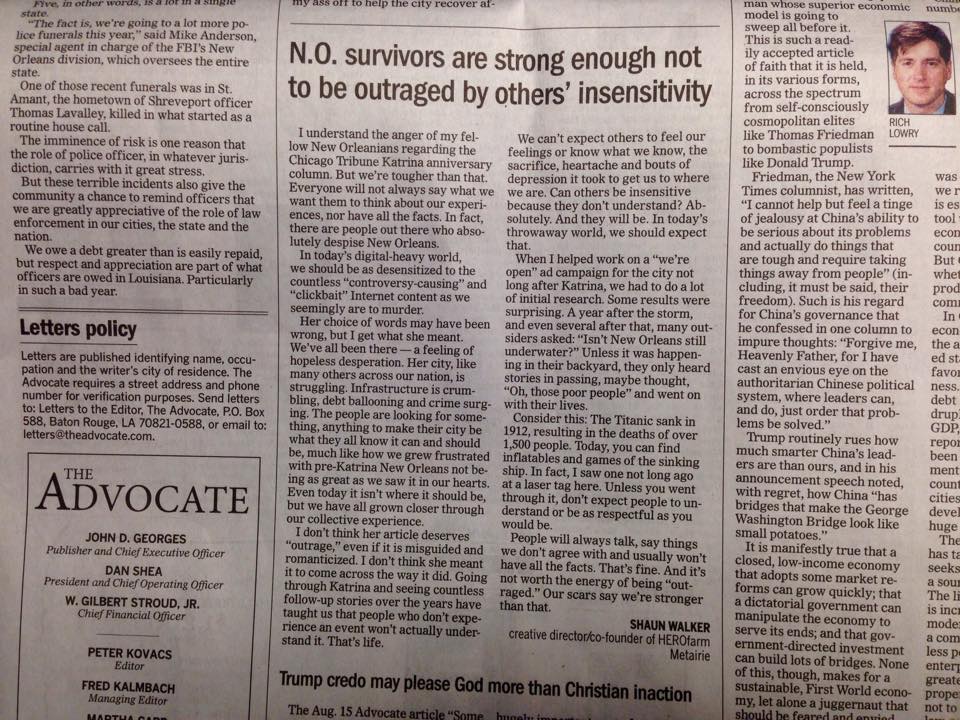
In 2015, a columnist from the Chicago Tribune wrote that Chicago needed a disaster like Katrina to force it to change. The piece suggested that Katrina had somehow “rebirthed” New Orleans by helping clean up corruption, reform schools, and rebuild infrastructure.
It was offensive, sure. But mostly, it was telling.
People still don’t get it. They think Katrina was a reset button.
It wasn’t. It was a gut punch. A rupture. And the recovery wasn’t some shiny, ribbon-cutting success story. It was a grind. A heartbreak. A daily battle to not give up.
And still, we didn’t.
The Garbage Mountain and the Saints Game
If there was ever a moment that perfectly captured what recovery felt like, it was driving past “Garbage Mountain.” Stretching down West End Boulevard in Lakeview, the linear park had become a temporary dump site. Debris from across the city was stacked high, busted appliances, broken furniture, shattered sheetrock, insulation, carpet, tree limbs, memories. It extended as far as the eye could see. Towering. Overwhelming. A monument to what we had lost.
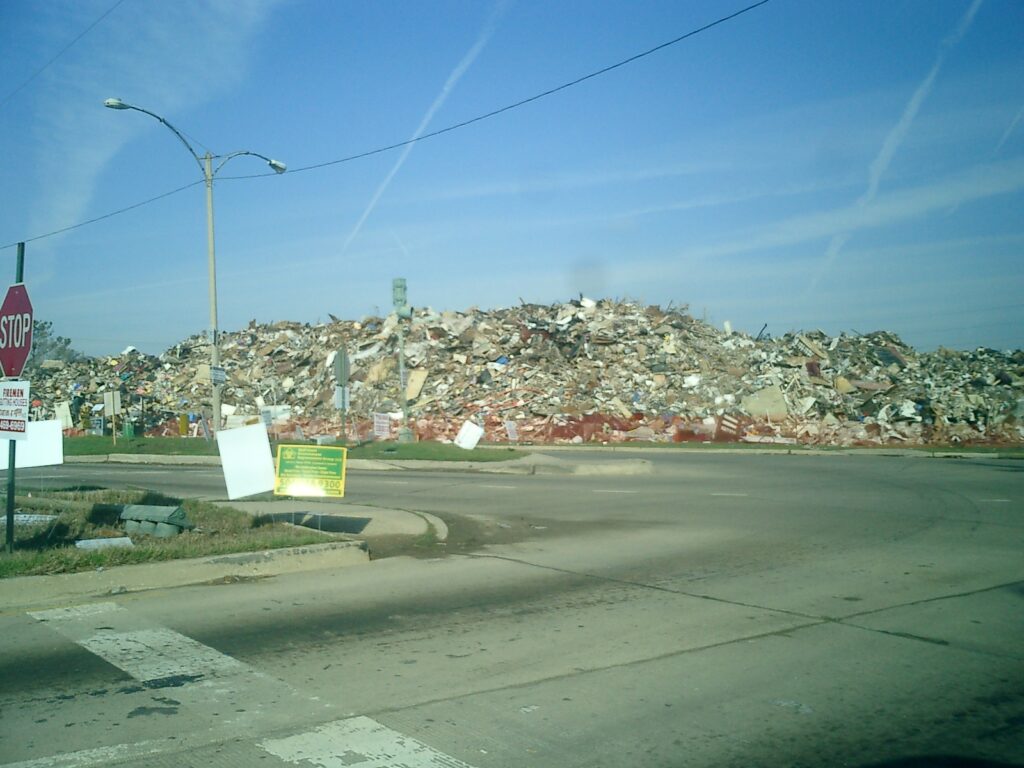
I didn’t believe it would ever get cleaned up. I couldn’t imagine how. The scale of it made it feel permanent, like part of the new landscape. But over time, little by little, it disappeared. Somehow, it got done.
That’s how the recovery went. One impossibility at a time.
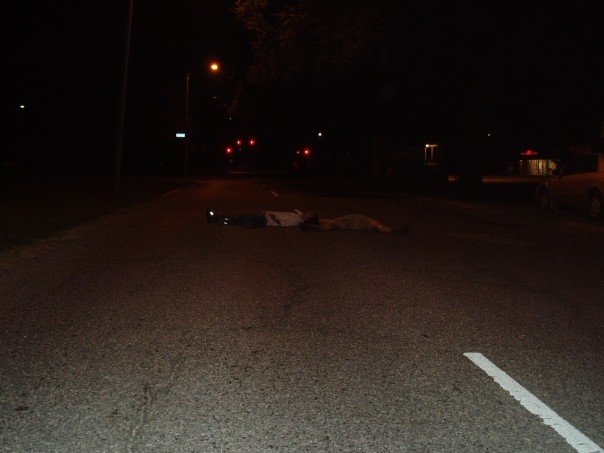
And then one night, a couple of friends and I lay on Canal Boulevard in Lakeview, staring at the stars. It was eerily quiet. No streetlights. Empty houses. A strange peace in the midst of so much loss.
Then came that Saints game. You know the one. Gleason blocks the punt. The Dome erupts. The television announcers stay completely silent for an entire minute, letting the cheering New Orleanians say it all. And for the first time in a long time, we felt something break loose inside us. It was more than a game. It was a collective release. A signal that maybe, just maybe, we were on our way back.
20 Years Later
The truth is, the problems we had before Katrina are still with us. Some are worse than ever. Corruption. Poor infrastructure. Broken systems. Sometimes it feels like we never learned. Or worse, we forgot.
But the hope? It’s still here. And just like always, it’s in the people.
We’ve always been the difference-makers. The ones who keep going, who provide the hope. Kind of like when Drew Brees was quarterback… no matter how far behind the Saints were, the team always had a shot. It’s the same with our people.
Since Katrina, locals have continued showing up, not just here at home, but across the country. From the Cajun Navy Relief and United Cajun Navy to church groups, some of the first to respond to disasters have come from Louisiana. It’s part of remembering what we went through, the kindness we were shown, and paying it forward. It’s part of the ethos we instilled in HEROfarm when we first began our journey of social impact.
If I could go back and say one thing to myself from 20 years ago, it would be this:
It won’t be easy. People won’t understand. But you’ll be part of something bigger than you can imagine. You’ll help rebuild not just a city, but a way of life. And through it all, you’ll learn just how good people can be.
To those still recovering from disasters, past or present, know this: We get it. We really do. And we’re here, standing on the other side of the storm, reaching back with both hands.
Because that’s what we do.
We remember. We rebuild. We rise.
And we never forget.